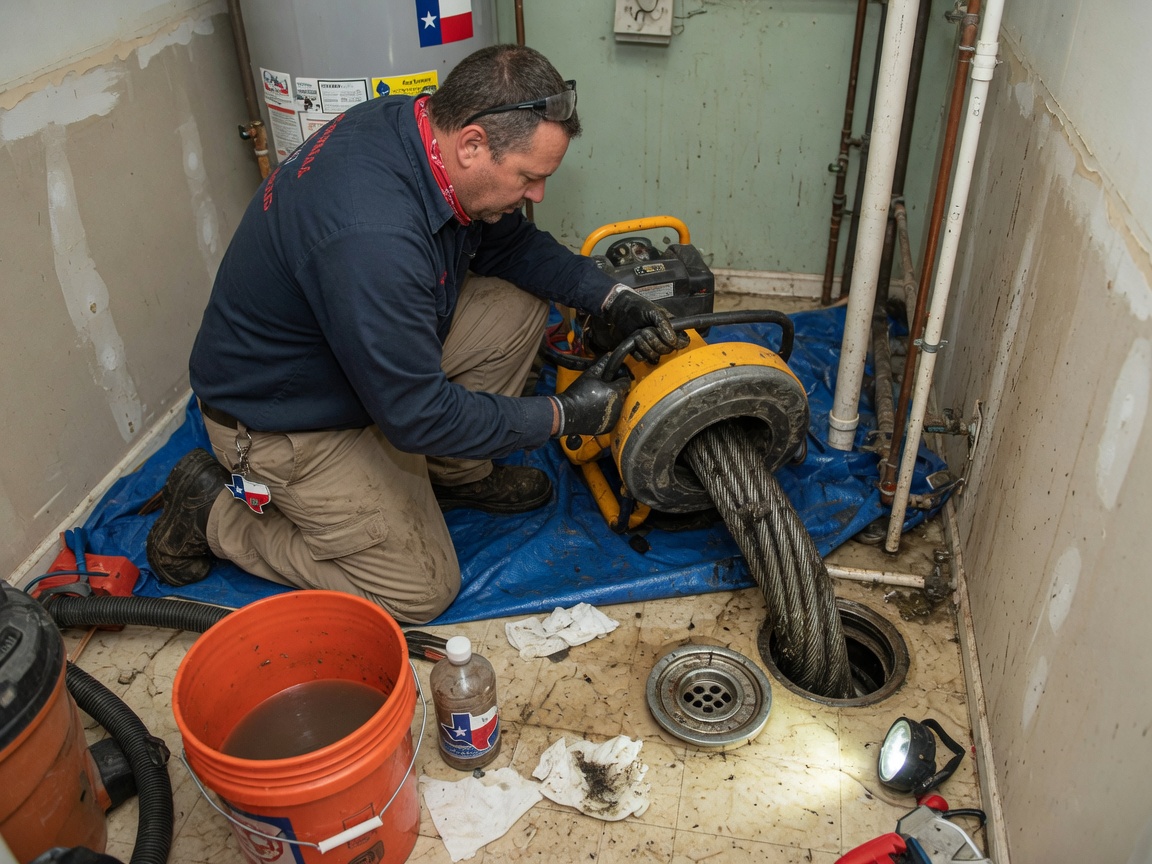
In Across Texas, drain snaking is a critical service, especially given the diverse housing stock ranging from historic homes in older neighborhoods to newer constructions. Over time, grease, soap scum, hair, and mineral deposits — particularly prevalent with our hard water conditions in some areas — accumulate and form stubborn blockages. Our drain snaking service effectively clears these obstructions, restoring proper flow without damaging your pipes. We understand the common culprits for clogs in different parts of Across Texas, from the tree roots that often invade older sewer lines in established neighborhoods to the everyday buildup in busy household drains. Our approach is always to diagnose the specific issue and apply the most effective snaking technique.
Effective drain snaking isn't just about pushing a tool through a pipe; it's about understanding the nuances of plumbing systems common throughout Across Texas. We encounter everything from cast iron pipes in older residences to PVC in newer homes, each requiring a tailored approach. For instance, a main line clog caused by tree roots, a common issue in areas with mature trees, demands a different snaking technique than a kitchen sink blockage from years of grease accumulation. We utilize professional-grade augers and snakes designed to navigate various pipe diameters and materials, ensuring thorough removal of blockages while safeguarding your plumbing infrastructure. This attention to detail prevents recurring clogs and extends the life of your drainage system.
Beyond just clearing the immediate blockage, our drain snaking service in Across Texas includes a thorough assessment to identify potential underlying issues. Sometimes, a recurring clog isn't just bad luck; it could indicate a deeper problem like a collapsed pipe section or significant root intrusion that requires more than just snaking. We're equipped to identify these situations and provide honest recommendations, whether it's a simple adjustment or a more involved repair. Our goal is to provide lasting solutions, not just temporary fixes, ensuring your plumbing system functions reliably for the long haul. We pride ourselves on transparent communication and upfront explanations, so you understand the problem and the proposed solution.
Technician insight
In Across Texas, the thing that catches most people out with drain snaking is underestimating the impact of our hard water and varied soil conditions. That mineral buildup, combined with everyday grease and hair, can create incredibly stubborn clogs that a consumer-grade snake just can't touch. And for main lines, especially in older neighborhoods, tree roots are a constant battle; you need the right professional equipment to really get through them without damaging the pipe.
Persistent Kitchen Sink Clog in a Historic Across Texas Home
A homeowner in a historic Across Texas neighborhood reported a kitchen sink that was draining extremely slowly and frequently backing up. Upon inspection, we found years of accumulated grease and food particles had hardened into a thick, almost concrete-like blockage within the old cast iron pipes. We used a heavy-duty auger with a specialized cutting head to break through the dense clog, then flushed the line thoroughly. The sink now drains freely, preventing further backups and potential water damage to their classic home.
Drain Snaking Services We Offer
✓Kitchen Sink Drain Snaking
Clearing stubborn grease, food particle, and soap scum blockages from kitchen sinks, restoring fast drainage and preventing backups.
✓Bathroom Sink & Tub Snaking
Expert removal of hair, soap residue, and foreign objects causing slow drains or complete blockages in bathroom sinks, showers, and tubs.
✓Toilet Drain Snaking
Addressing toilet clogs caused by excessive paper, foreign objects, or internal pipe blockages to restore proper flushing and prevent overflows.
✓Main Sewer Line Snaking
Tackling severe blockages in your home's main sewer line, often caused by tree roots or significant debris accumulation, to prevent widespread backups.
✓Floor Drain Snaking
Clearing blockages in basement, utility room, or garage floor drains, often caused by dirt, debris, or sediment buildup, to prevent flooding.
✓Laundry Drain Snaking
Removing lint, soap residue, and other debris that commonly clog laundry machine drains, ensuring efficient wastewater disposal.
Drain Snaking Cost in Texas
| Service | Typical Range | What Affects It |
|---|---|---|
| Standard Interior Drain Snaking (Kitchen/Bathroom Sink, Tub) | $150–$350 | Price varies based on accessibility and severity of the clog. Most common interior clogs fall into this range. |
| Toilet Drain Snaking | $175–$400 | Cost depends on whether the toilet needs to be removed and reset, and the nature of the obstruction. |
| Main Line Snaking (Exterior Cleanout Access) | $300–$700 | Pricing depends on the depth of the clog, length of the line, and the presence of roots or significant debris. |
| Main Line Snaking (Interior Access/Toilet Pull) | $450–$900+ | Higher end for more complex access points, especially if the main line cannot be accessed from an exterior cleanout. |
Ranges are typical for Texas and confirmed with an exact written quote before any work starts.
How it works
- 1
Initial Assessment & Diagnosis
We begin by carefully assessing the location and severity of the clog, often using visual inspection and listening for tell-tale signs to pinpoint the problem area in your Across Texas home.
- 2
Preparation & Access
Our technicians prepare the work area to prevent mess and gain safe access to the drain opening, whether it's a P-trap under a sink or a main line cleanout.
- 3
Professional Snaking
Using the appropriate size and type of professional drain snake or auger, we carefully feed the tool into the pipe to break apart or retrieve the obstruction, restoring flow.
- 4
Flow Test & Cleanup
Once the blockage is cleared, we run water through the drain to ensure proper flow and check for any remaining issues. We then clean up the work area thoroughly.
Pricing
Upfront, transparent pricing based on the complexity and location of the clog.