2026-10-10 ·
How To Prevent Frozen Pipes During Texas Winter Storms
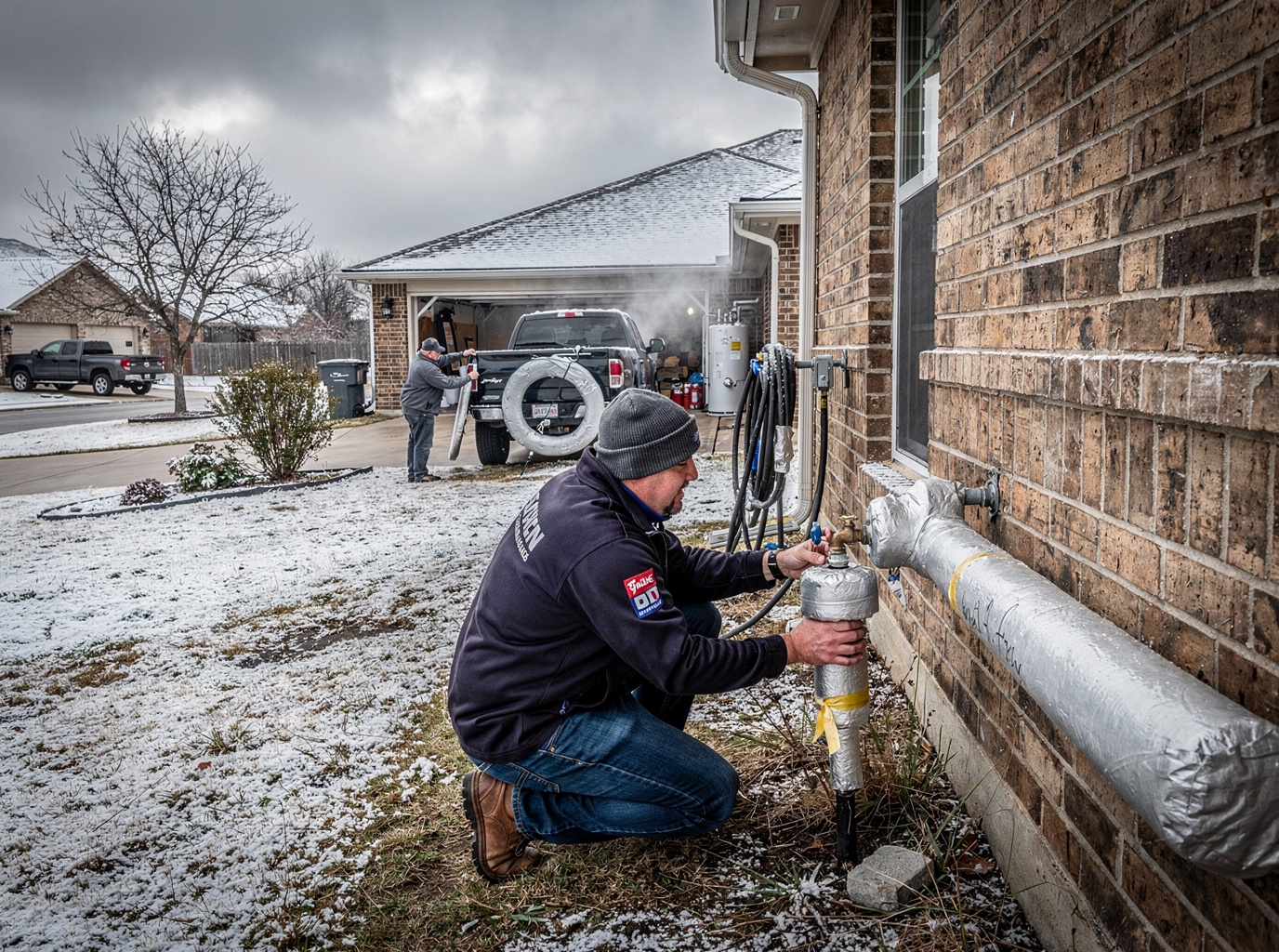
To prevent frozen pipes during Texas winter storms, the most effective measures involve insulating exposed pipes, allowing faucets to drip, and maintaining indoor temperatures above 32°F (0°C). While Texas is known for its warm climate, the occasional severe cold snap, like those experienced in recent years, can drop temperatures dramatically, especially in areas like the Panhandle or even down to the Gulf Coast. Homes across Dallas, Houston, and San Antonio are often not built with the same level of pipe insulation as those in colder northern states, making them particularly vulnerable. When the mercury plunges, water inside uninsulated pipes can freeze, expand, and cause significant damage, leading to potential bursts and costly repairs. Understanding these risks and taking proactive steps is key to protecting your home's plumbing system.
Understanding Why Texas Pipes Freeze
Many Texas homes, particularly older constructions in areas like the historic districts of Austin or the sprawling neighborhoods of Fort Worth, were built under codes that didn't anticipate prolonged freezing temperatures. This means pipes are often located in unheated spaces like attics, crawl spaces, or exterior walls without adequate insulation. When winter storms hit, the ground freezes, and uninsulated pipes become susceptible. The expansion of ice can exert thousands of pounds per square inch of pressure, easily rupturing even robust copper or PEX pipes. This isn't just a minor inconvenience; a burst pipe can release hundreds of gallons of water per hour, causing extensive water damage to floors, walls, and foundations, and leading to expensive repairs like those found on our Burst Pipe Repair service page.
Furthermore, the rapid temperature drops common in Texas winter storms mean that pipes don't have time to gradually cool, increasing the stress on the material when freezing occurs. Areas with shallow pipe burial, often seen in newer developments, are also at higher risk as the ground offers less insulating protection. The unique soil conditions in some parts of Texas, which can retain moisture, can also exacerbate the problem by transferring cold more efficiently to buried lines if the frost line dips unusually low. Recognizing these vulnerabilities specific to our region is the first step in effective prevention.
Essential Steps to Prepare Your Home
Preparing your home for a freeze involves several critical actions. First, locate your main water shut-off valve. Knowing how to turn off your water quickly can mitigate damage if a pipe does burst. This valve is typically found where the main water line enters your home, often near the street or in a utility closet. Second, disconnect all garden hoses from outdoor spigots. Leaving them attached can cause water to back up and freeze in the pipes leading to the spigot, potentially bursting the pipe inside your wall. Even if your outdoor faucet is frost-proof, removing the hose is a simple, effective precaution. For homes with irrigation systems, ensure they are properly drained and shut down for the winter season.
Third, insulate any exposed pipes, especially those in unheated areas like garages, attics, and crawl spaces. Foam pipe insulation, available at any hardware store, is inexpensive and easy to install. Wrap outdoor spigots with insulation covers. For pipes that run through unheated parts of your home, consider using heat tape or heat cables, which can provide a low level of continuous warmth to prevent freezing. This is particularly important for homes in more rural areas of Across Texas where utility lines might be more exposed.
During the Freeze: Active Protection Measures
Once temperatures drop below freezing, active measures become crucial. Keep your thermostat set to at least 55°F (13°C), even if you're leaving your home for a short period. This maintains enough ambient heat to warm pipes within walls and cabinets. Open cabinet doors under sinks in kitchens and bathrooms to allow warmer air to circulate around plumbing. This is especially vital for exterior walls, common in many homes across cities like Plano or Garland, where pipes are more exposed to the cold. For single-story homes or those with plumbing in the attic, ensuring the attic access door is slightly ajar can also help circulate warmer air.
Allowing a slow drip from cold water faucets, particularly those on exterior walls, is another highly effective strategy. A continuous drip, even a very slow one, keeps water moving through the pipes, making it much harder for ice to form. A pencil-lead-thin stream is usually sufficient. This small amount of water waste is negligible compared to the cost and inconvenience of a burst pipe repair. Remember, it's the stagnant water that freezes most readily. For more insights on preventing pipe issues, you might find our article on Cost Factors For Water Heater Replacement In Texas Homes helpful, as water heaters are also vulnerable during extreme cold.
After the Freeze: What to Do and What to Watch For
Once temperatures rise above freezing, don't immediately assume everything is fine. Turn off your main water supply valve if you suspect any damage. Then, carefully check all faucets and exposed pipes for leaks. Pay close attention to areas that were previously unheated or exposed. If you notice any signs of a leak, even a small drip, it's crucial to address it promptly. A small leak can quickly escalate into a major problem, especially with the fluctuating water pressure common after a freeze. Look for water stains on ceilings, walls, or floors, which can indicate a hidden pipe burst. You can also check your water meter for movement when no water is being used inside the house; this is a strong indicator of a leak.